
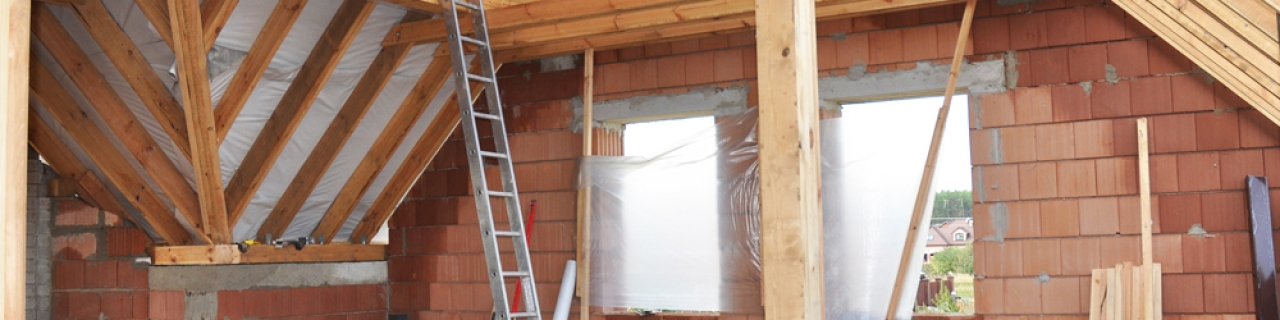
Learn more about home performance.
Contact 1st Choice Energy today!
512-345-0956
Home Performance is a burgeoning industry focused on retrofitting existing homes for improved performance. This entails greater energy efficiency, healthier air quality, improved comfort and durability, and lower operating costs. In short: making our houses better, safer, and less expensive to operate.
The Home Performance approach looks at the house as a system, evaluating how a building's various components interact with each other, and ensuring that there is no conflict between any of them that could lead to health problems, building durability issues, or energy waste.
Anchoring the Home Performance approach to energy efficiency retrofits are the 5 Pillars of Home Performance:
Safety
First and foremost, a building shouldn't hurt people. The Home Performance approach to building safety ensures that combustion equipment is properly vented for outside combustion air, moisture issues that may lead to mold growth are addressed, and the upgraded home is a safe, healthy environment for you and your family.
Health
Homes should have a healthy rate of ventilation and ensure that you and your family are breathing healthy, fresh air that has been brought in from clean, manageable areas designated for ventilation -- and not through leaky or dusty duct work. Issues preventing safe and healthy ventilation are detected and corrected by our team of experts.
Comfort
A comfortable home shouldn't be too much to ask for; and it shouldn't cost you an arm and a leg to keep it that way. By optimizing the performance of the entire building, a performance home is comfortable no matter where you are in the building, and with less energy consumption than a standard home.
Durability
By addressing building durability issues at the source, the home performance approach works to ensure that problems a home may have are addressed and corrected. High performance homes last longer than standard homes, cost less to operate, and retain a higher resale value down the road.
Efficiency
Last but not least, a high performance home is energy efficient: achieving the same (or better) comfort goals as standard homes, but with less energy consumption. This means a more comfortable home, that's less expensive to operate.
Products--Smart Power Strips
Learn how Smart Power Strips work to save you money.